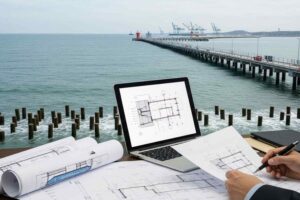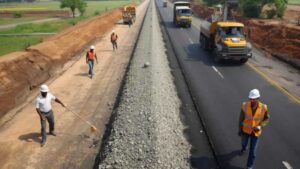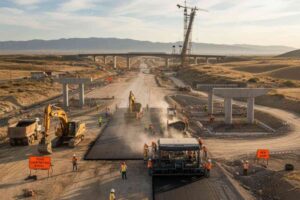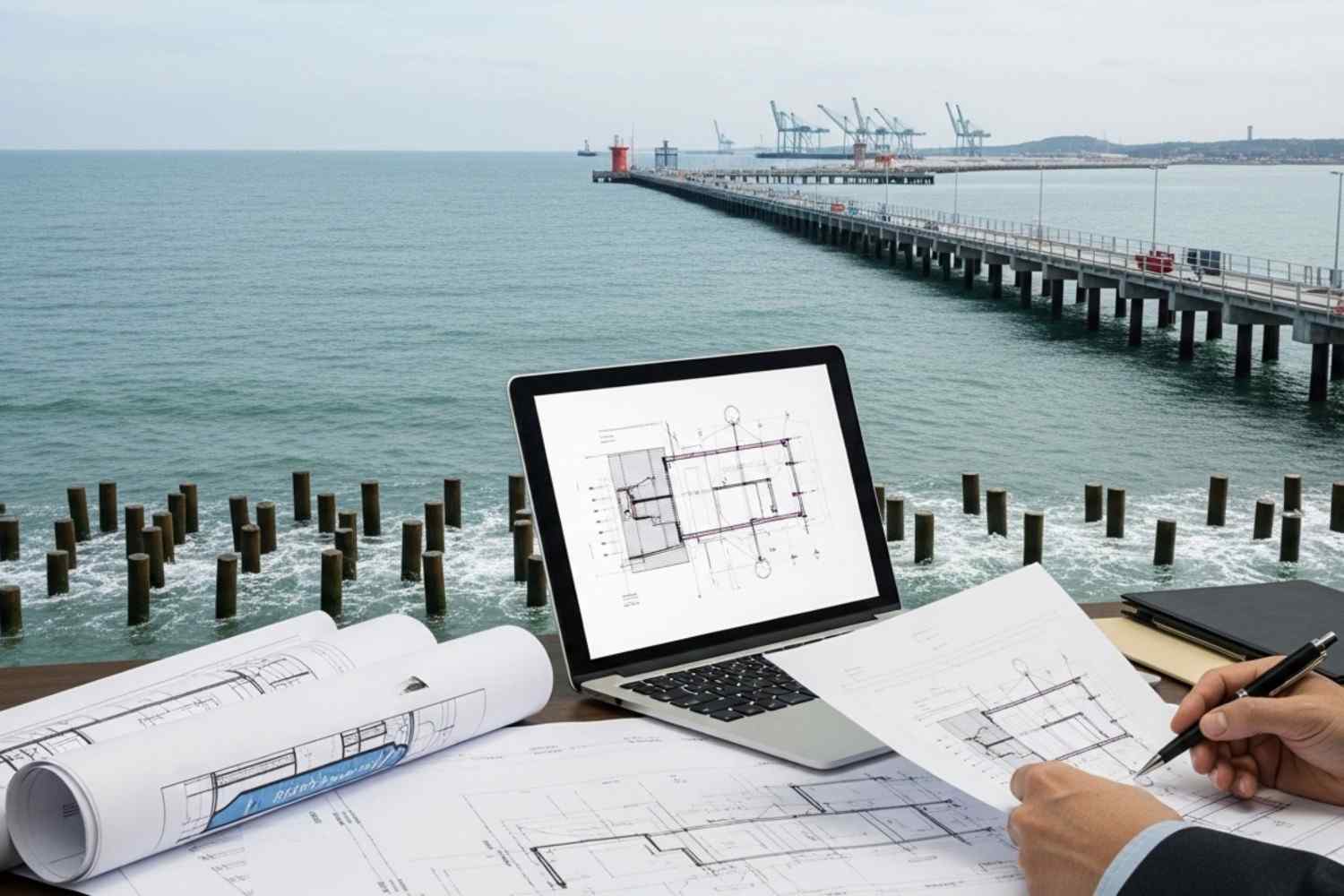
Marine infrastructure projects tend to look stable on paper. Layouts are defined, designs are developed, contractors are identified, and cost estimates are structured. From a financing perspective, the project may appear technically settled.
In practice, marine assets behave differently from most land-based infrastructure. They are built in environments that continue to act on them every day. Seabed conditions can vary significantly across short distances. Sediment movement changes over time. Wave exposure and vessel loading introduce forces that are not always fully captured in early-stage studies.
Technical due diligence exists to examine how well these realities have been accounted for.
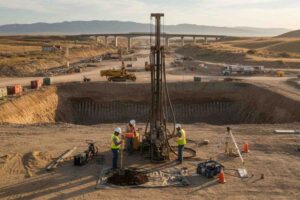
In many cases, the drawings themselves are not the issue. The deeper question is whether the data supporting them is sufficient. Has the geotechnical investigation covered the full footprint of the structure? Are capital and projected maintenance dredging volumes supported by sufficient site-specific data and appropriately calibrated sediment transport modelling? Has construction methodology been considered alongside structural design, or treated as a later exercise?
These are incremental gaps. But in marine projects, incremental technical gaps can accumulate into schedule pressure, cost variation, or long-term performance issues.
For lenders and investors, the purpose of technical review is not to challenge the design team unnecessarily. It is to understand exposure. Marine structures are capital-intensive and expected to operate for decades. If foundation assumptions shift mid-construction, or if sedimentation behaves differently from forecast, the financial impact is real.
The role of a Lenders’ Independent Engineer during execution continues this process. The emphasis starts from reviewing reports and moves to observing how the project is unfolding. Are site conditions matching earlier investigations? Are design modifications introducing new dependencies? Are delays linked to technical constraints that were underestimated? Independent reporting provides lenders with a grounded view of progress without interfering in day-to-day delivery.
What often receives less attention is lifecycle performance. Marine structures do not simply reach completion and remain static. Corrosion protection, inspection access, dredging cycles, and maintenance planning determine how the asset performs over time. A project that meets its completion milestone but requires sustained corrective work can shift the economics of the investment.
Technical due diligence, when done properly, brings these considerations forward. It looks beyond compliance with drawings and focuses on whether the project has been engineered with a realistic understanding of its operating environment.
Marine infrastructure carries inherent uncertainty. Independent technical review does not remove that uncertainty, but it makes it visible and measurable. For financing decisions tied to long-term asset performance, that visibility is not optional. It is necessary.