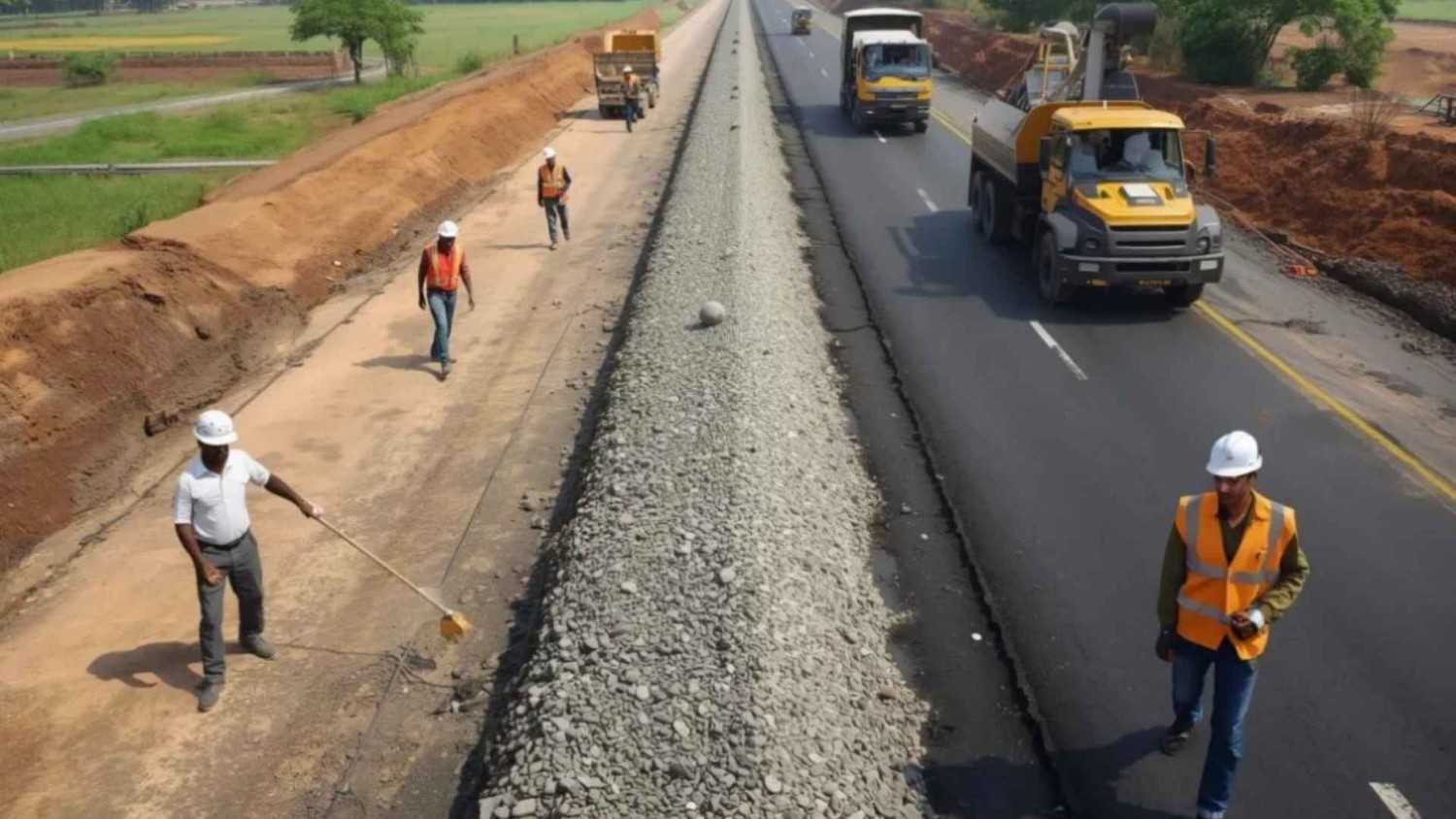
If there is one sector in India that has transformed quietly yet dramatically over the past decade, it is highway development. What was once an ecosystem clogged by fragmented land records, endless paperwork, rigid procurement rules, and slow-moving environmental clearances is now shifting toward a streamlined, digital first, performance driven model.
Thanks to a steady push from the Government of India, MoRTH, NHAI, and MoEFCC, highways are no longer just about laying asphalt. They are about data driven planning, transparent approvals, and predictable outcomes.
Let’s break down how the regulatory landscape has evolved across the stages of a highway project.
I. Land Reforms: Building on a More Predictable, Digital Foundation
Land acquisition has historically been the biggest speed breaker in highway projects. Earlier, outdated land records, varying state level procedures, and manual surveys meant delays, disputes, and rising project costs.
The landscape today looks very different.
- Digitisation through DILRMP and state GIS initiatives is making land parcel mapping far more accurate, which means fewer disputes and quicker alignment finalisation.
- The shift from the Land Acquisition Act of 1894 to the RFCTLARR Act 2013 introduced rights-based compensation, structured rehabilitation and resettlement, and a transparent process.
- Social Impact Assessments provide early clarity on community and livelihood impacts.
- Digital notices, electronic mutation, and district level grievance systems help reduce procedural delays.
Earlier, the system was dependent on manual maps and inconsistent compensation norms. Today’s approach is supported by GIS backed data, uniform rules, and time bound acquisition cycles. This has resulted in faster closure, fewer disputes, and smoother construction starts.

II. Environmental Clearances: Balancing Speed and Sustainability
Environmental approvals once created some of the longest uncertainties in a highway project. Files moved slowly, correspondence was scattered, and timelines were unpredictable.
Digital systems have changed this significantly.
The PARIVESH 2.0 portal now offers:
- Unified online submission for environmental, forest, wildlife, and CRZ clearances
- GIS based scrutiny
- Automated workflows
- Dashboard based transparency
This alone has trimmed months from the earlier cycle.
Other improvements include:
- Auto issuance of Terms of Reference for many linear projects
- Revised appraisal timelines under the MoRTH pre bid milestone framework
- Office memorandums that clarify validity extensions, data requirements, and EC to FC linkages
- Stricter expectations from courts on continuous compliance, now monitored online
Previously, approvals could take 12 to 24 months and relied on physical files. With the shift to a digital, time bound workflow, environmental approvals now sync better with land acquisition and bidding stages.
III. Procurement Reforms: Improving Transparency, Competition, and Risk Allocation
Procurement earlier involved heavy paperwork, local interpretation of norms, and inconsistent risk allocation. This often led to disputes and delays.
Reforms in procurement have modernised bidding for EPC, HAM, and TOT projects.
Key changes include:
- End to end e procurement using CPPP, GeM, and NHAI portals
- Digital audit trails and transparent evaluations
- Standardised contract models that define risk sharing, payment milestones, termination rules, and dispute resolution in a clear manner
- More rigorous technical and financial qualification criteria
The change from interpretation based to rule-based procurement has led to higher quality bids, predictable timelines, and improved cost efficiency.
IV. Tolling and Concession Reforms: Moving Toward Seamless and Data Driven Operations
Tolling is a major revenue pillar in India’s highway model. Earlier, toll plazas were marked by long queues, manual cash handling, and leakages.
 The sector has undergone major transformation.
- FASTag adoption has enabled electronic tolling and reduced congestion while providing real time traffic and revenue analytics.
- Monetisation programs such as TOT and InvIT structures now attract long term institutional investors through predictable concession frameworks.
- Concession rules are stricter, with no deemed extensions and clearer change of scope processes.
- Centralised dashboards, automated reconciliation tools, and digital cashflow systems have strengthened oversight.
Compared to the earlier manual and inconsistent system, today’s tolling environment is digital, disciplined, and transparent. It ensures better revenue assurance and a smoother travel experience.
All these reforms point to a sector that is no longer held back by paperwork or uncertainty. Instead, it is driven by data, transparency, and speed. Projects move faster, contracts are cleaner, and tolling is smarter. Investors see less risk and more stability. For a country where road connectivity shapes growth in every region, this shift is more than a policy upgrade it is a practical leap toward a faster, safer, and more efficient highway network.